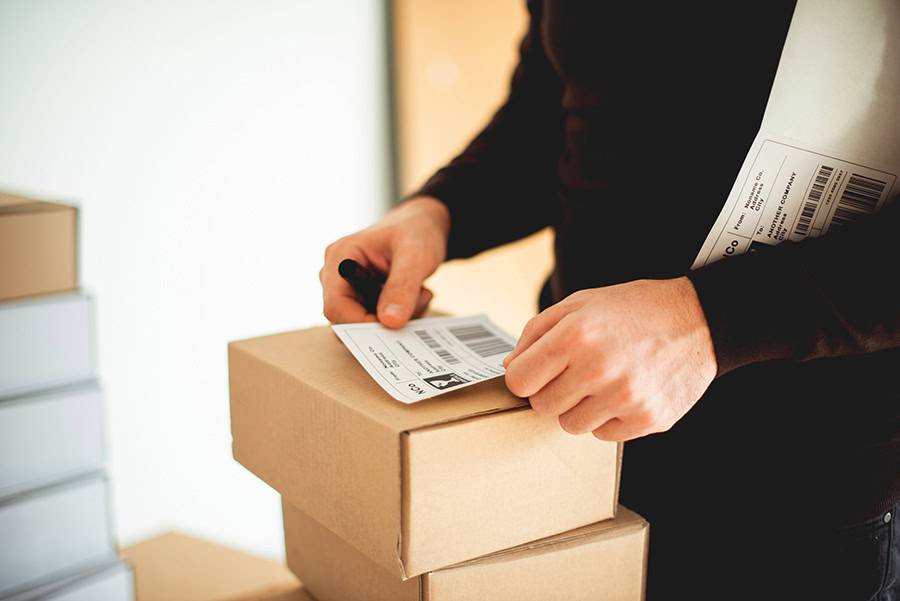
In today’s highly customized packaging world, label customization is not only popular but also expected. Printed packaging can require unique barcodes, serialized numbers, compliance information, expiration dates, and QR codes for tracking or consumer engagement. Managing all of this efficiently can be complex — unless you’re using variable data printing.
Variable data printing, or VDP, makes label customization simple, scalable, and accurate. Instead of printing thousands of identical labels, VDP allows each label to contain unique information pulled directly from a database — without slowing down production.
VDP provides the flexibility needed to support traceability, compliance, and operational efficiency.
Defining Variable Data Printing
Variable data printing is a digital printing method that allows specific elements to vary from one printed piece to the next without stopping or resetting the press.
Unlike traditional static printing, where every label is identical, VDP connects to a structured data file. As each label moves through production, the system automatically updates the designated fields.
Common variable elements in label printing include:
- Serial numbers
- Lot and batch numbers
- Barcodes/QR codes
- Product SKUs
- Expiration dates
- Regional language variations
- etc.
Because the process is automated and database-driven, VDP ensures high accuracy and consistency across high-volume print runs.
Why Label Customization Matters
The need for easy label printing customization continues to grow across the custom label industry. There are many factors responsible for this growth, including the following:
Increased Compliance Requirements
Industries such as pharmaceutical, food and beverage, medical device, and electronics face strict labeling regulations. Unique identifiers, traceable lot numbers, and accurate expiration dates are mandatory — not optional.
SKU Proliferation
Product lines are expanding. A single product may have multiple variations based on size, region, retailer, or packaging format. Static printing creates inefficiencies when each variation requires a separate print run and setup.
Supply Chain Visibility
Manufacturers need to track products from production to distribution. Variable barcodes and QR codes support scanning, inventory tracking, and logistics management.
Consumer Engagement
QR codes printed via variable data printing allow brands to deliver dynamic content or provide product information directly to customers.
Examples of Variable Data Printing
Automated Barcode and QR Code Generation
Instead of manually generating codes or managing separate print files, VDP automatically pulls data from a database and generates:
- Unique barcodes for each product
- Unique QR codes that link to different URLs
- Tracking codes for inventory purposes
This automation reduces human error and ensures every label is accurate and scannable.
Serialization and LOT Coding
Serialization is essential in regulated industries and for product traceability. Variable data printing enables:
- Unique serial numbers per unit
- Batch-specific identifiers (such as LOT numbers)
- Expiration dates
Versioned Labels for Multiple SKUs
Manufacturers may require slight label variations based on:
- Language requirements
- Regional regulatory information
- Retailer-specific branding
- Etc.
Key Benefits of Variable Data Printing for Labels
Because of the need for efficiency and compliance, the advantages of VDP are significant.
1. Improved Accuracy
Because VDP pulls directly from verified databases, the risk of manual entry errors decreases dramatically.
2. Reduced Waste
Short-run capabilities mean printers no longer need to overprint large volumes of extra labels “just in case.”
3. Increased Operational Efficiency
As previously mentioned, automated workflows like VDP eliminate the need to stop production between label versions. A single print run can produce thousands of unique labels without manual intervention.
4. Scalability
As a business grows and product lines expand, variable data printing scales easily. Adding new SKUs or regions simply means updating the data file — not redesigning the entire label.
Variable Data Printing at Sttark
Sttark is now offering a VDP option at checkout. Small print areas will be added to a completed roll of labels via a separate printer. The printer will only be able to print in black ink. This will allow customers to have access to unique barcodes, QR codes, or expiration dates, for example, and will minimize the need for reprints since the variable data will be added after the labels are printed.