Quick Answer: Is a Custom Carton Right for Your Product?
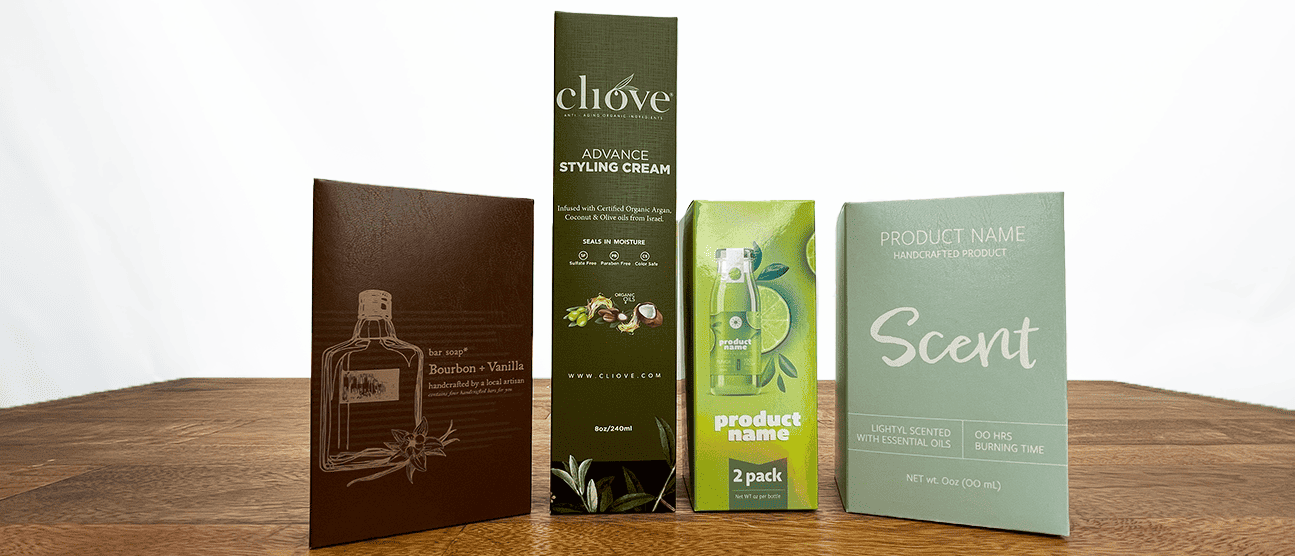
A custom carton is a printed paperboard box, also called a folding carton or product box, that holds a single retail product. A carton is usually the right choice if your product needs protection in transit or on the shelf, doesn't stand up or stack well on its own, has more information than its label can hold, or competes on perceived quality. The five main benefits of custom cartons are protection, easier shipping and display, more marketing space, a premium look, and a better customer experience.
Key takeaways:
- Cartons turn hard-to-display containers like dropper bottles, tubes, jars and pouches into a uniform box that stacks, ships and merchandises easily.
- A carton gives you six printable panels instead of one label, so there is room for your story, directions, ingredients and required information.
- Packaging shapes how shoppers judge a product: in Pro Carton's 2026 survey of more than 5,000 European consumers, 66% said packaging significantly influences their perception of a product.
- Paperboard is fiber-based and widely recycled. The U.S. recycled roughly 45 million tons of paper in 2025, according to the American Forest & Paper Association.
- The trade-off is an added component and a packing step, so a carton earns its place when protection, shelf presence or brand perception matter to your sales.
What Is a Custom Carton?
A custom carton is retail packaging made from a single sheet of paperboard that is printed, die-cut, scored and glued, then shipped flat and folded into shape when you pack your product. Custom cartons are used across nearly every consumer goods industry, from beauty and wellness to food and home fragrance.
Cartons are different from corrugated shipping boxes. A shipping box is built to protect goods in the mail and is rarely seen for long. A carton is built to be seen: it sits on a retail shelf, inside a gift bag, or inside a shipping mailer as the first thing your customer unwraps.
Sttark offers these carton styles:
- Straight tuck end: tuck flaps close the top and bottom. A clean, professional style for light to medium-weight products like cosmetics, supplements and tea.
- Reverse tuck end: the top and bottom flaps tuck in from opposite sides of the carton. A popular style for lightweight products like cosmetics, tubes and supplements.
- Auto-lock bottom (crash lock): the bottom locks into place as the carton is opened, so it assembles quickly and supports heavier products like candles and glass jars.
- Custom shapes: a die-cut structure built around your product, for items that don't fit a standard tuck or lock-bottom carton, or when you want a shape that sets your packaging apart.
Learn more: The Difference Between Boxes and Cartons and 7 Types of Folding Cartons
What Kinds of Products Benefit from Custom Cartons?
A carton adds the most value when the primary container is small, round, fragile or unable to stand on its own, or when you need to print more information than fits on the label. These are the products we most often print cartons for:
- Candles
- Cosmetics, makeup and skincare
- CBD oils and topicals
- Supplements and vitamins
- Soap and bath products
- Coffee and tea
- Vape and e-liquid
- Essential oils, hair care, pet products and specialty foods
5 Reasons Why Custom Cartons Are Right for Your Product
1. Custom Cartons Protect Your Product
A carton adds a rigid paperboard layer around your primary container that shields it from scuffs, impact and light during shipping, handling and time on the shelf. It also keeps the label on your bottle or jar looking new until the customer opens it.
Protection matters most for glass, dropper bottles and oil-based products like essential oils, serums and CBD oils, which benefit from being kept out of direct light and protected from breakage. Pairing a carton with a tamper-evident seal also shows customers the product hasn't been opened. Learn more: A Guide to Tamper-Evident Packaging for Product Safety
2. Custom Cartons Are Easier to Ship and Display
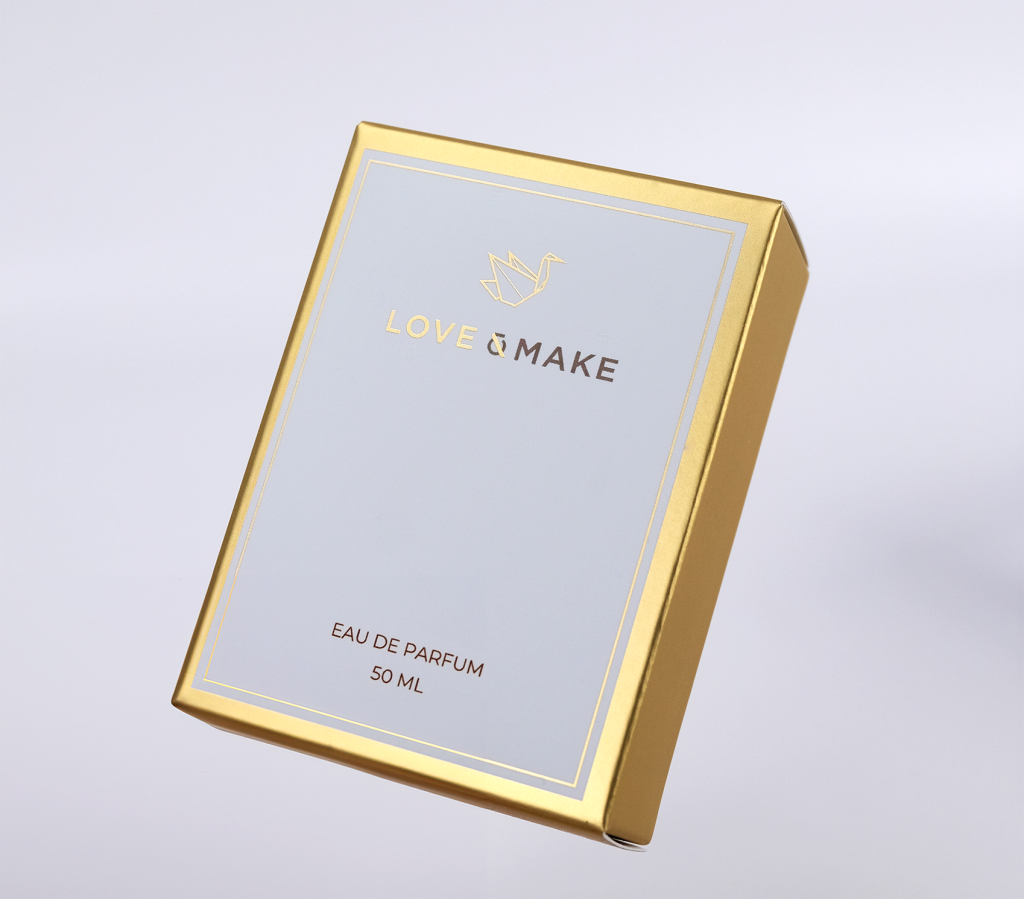
A carton turns an awkward container into a uniform rectangle that stacks on shelves, packs efficiently into shipping cases and is simpler to fulfill. Tubes, dropper bottles, candles and pouches are hard to merchandise on their own because they roll, tip over or can't be stacked.
Sizing the carton closely to your product reduces wasted space and movement inside the box. Use our box size calculator to find the right dimensions, and see why quick-assembly retail packaging matters for your packing line.
3. Custom Cartons Create More Marketing Space
A carton gives you six printable panels instead of a single label, so you can tell your brand story, list ingredients and directions, add a QR code and include any required information without crowding your design.
For many businesses, the product is the packaging. A candle jar with a minimal, beautiful label looks better on a customer's shelf for months, while the carton carries the scent notes, burn instructions and safety warnings. Supplement and cosmetic brands use the extra space to keep required panels readable. Learn more: FDA Supplement Labeling Requirements
4. Custom Cartons Signal Premium Quality
Shoppers judge the quality of a product by the quality of its packaging, and a well-made carton tells them your product is worth paying for. In Pro Carton's 2026 European consumer survey, 66% of consumers said packaging significantly influences their perception of a product.
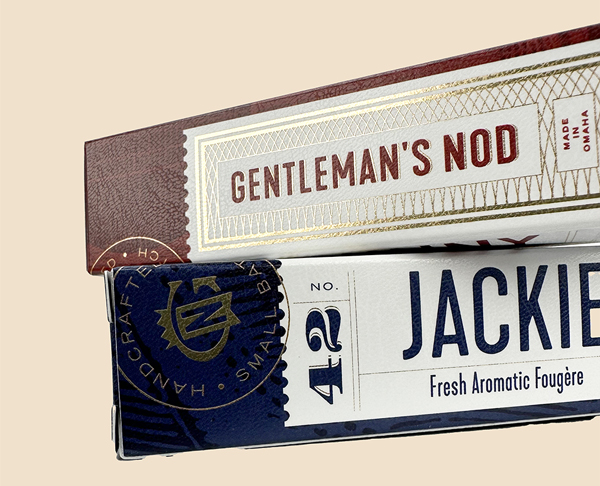
Specialty materials like metallic paper, holographic and black vellum catch the eye, while textured laminates like linen, leather and soft touch matte add a feel customers notice the moment they pick it up. Foil printing adds another layer of polish.
5. Custom Cartons Elevate the Customer Experience
A custom carton makes opening your product feel like an event, and that experience is what customers remember when it's time to reorder. Branded imagery, a short note from the founder, usage tips or a QR code that links to a how-to video all turn the box into part of the product.
Packaging also affects loyalty. Pro Carton's 2026 survey found that packaging plays a significant role in repeat purchases, and 37% of respondents had switched brands because of concerns about packaging.
Are Custom Cartons Sustainable?
Yes. Folding cartons are made from paperboard, a fiber-based material that is accepted in most curbside recycling programs, and all of Sttark's folding cartons are made from Blue Bin recyclable materials.
The U.S. paper recycling system is well established. The American Forest & Paper Association reports that 61% to 65% of paper and 70% to 75% of cardboard available for recovery was recycled in 2025, or roughly 45 million tons of paper. Consumers trust paperboard too: in Pro Carton's 2026 survey, 87% of respondents said they trust cartonboard will be recycled, the highest of any packaging material.
If you sell into Maine, Oregon, Colorado, California, Minnesota, Maryland or Washington, also check whether you are an obligated producer under that state's packaging extended producer responsibility (EPR) law. These laws generally cover paper and plastic consumer packaging, so knowing your carton's material and weight makes reporting easier. Learn more: Sustainable Packaging Materials for Custom Product Boxes
Label Only vs. Label Plus Custom Carton
Most products need a label either way. The question is whether adding a carton is worth it for yours:
| Factor | Label only | Label + custom carton |
|---|---|---|
| Protection | Container is exposed to scuffs, light and impact | Paperboard layer shields the container and its label |
| Shelf and shipping | Round or soft containers can roll, tip or crush | Uniform box stacks, displays and packs efficiently |
| Printable space | One label, often small | Six panels for branding, directions and required information |
| Perceived value | Depends on the container and label alone | Materials, laminates and foil add a premium look and feel |
| Cost and assembly | Lower unit cost, no extra packing step | Adds a component and a folding and packing step |
| Best for | Simple, durable products sold at a low price point | Gift, premium, fragile or information-heavy products |
How to Create a Custom Carton in 7 Steps
- Choose a carton style. Pick straight tuck or reverse tuck end for lighter products, auto-lock bottom for heavier ones, or a custom shape when a standard style won't fit. Compare carton styles
- Size it to your product. Measure your container and use the box size calculator. Sttark produces cartons in 1/8-inch increments, and our template generator gives you a dieline to design on.
- Select a material. Choose from white, bright white, metallic, holographic, black vellum and white vellum paper. See all carton materials
- Pick a finish. Gloss, matte, soft touch matte, linen and leather laminates each change the look and feel. See carton laminates
- Design on brand. A carton is three-dimensional, so artwork has to work across panels, folds and flaps. Keep it consistent with your brand, or work with our design team.
- Request samples and review your proof. Seeing and handling a printed carton is the best way to confirm color, material and fit. Why samples matter
- Choose a great carton printer. A well-designed carton is only as good as its print quality. How to choose a folding carton supplier
Frequently Asked Questions About Custom Cartons
Do I need a carton if my product already has a label?
Not always. A label alone works well for durable, low-cost products that stand on their own. Add a carton if your product is fragile, doesn't stack or display well, needs more printed information than the label can hold, or is sold as a premium or gift item.
What's the difference between a custom carton and a box?
A carton is printed retail packaging made from a single layer of paperboard and designed to be displayed. A box usually means a corrugated shipping box made from fluted cardboard and designed to protect goods in transit.
What are custom cartons made of?
Custom cartons are made from paperboard. Specialty papers like metallic, holographic and vellum change the look, and laminates like gloss, matte, soft touch, linen and leather protect the print and change the feel.
Are custom cartons recyclable?
Paperboard cartons are accepted in most curbside recycling programs, and Sttark's folding cartons are made from Blue Bin recyclable materials. Check your local program for specific guidance.
Which carton style should I choose?
Choose a straight tuck or reverse tuck end carton for light to medium-weight products like cosmetics, supplements and tea. Choose an auto-lock bottom carton for heavier products like candles and glass jars, or when you want faster assembly on your packing line. If your product has an unusual shape or you want packaging that stands out structurally, ask about a custom shape.
How do I get started with custom cartons?
Start by measuring your product and choosing a style, then get an instant quote or request free carton samples. If you have questions, our Customer Care Team can walk you through the order.
Packaged with Care
If your product needs protection, shelf presence or a more premium first impression, a custom carton is likely the right fit. At Sttark, our team is committed to printing excellent custom cartons for growing brands, and we're eager to help yours.
Sources
- American Forest & Paper Association: 2025 U.S. Paper Recycling Rates
- Pro Carton 2026 European Consumer Packaging Perceptions Survey (summary)
- American Bar Association: Seven States Enact Packaging EPR Laws (2026)
You might also like:
- Sttark's Ultimate Guide to Folding Carton Packaging
- The Folding Carton Handbook: Sttark's Guide to Carton Setup
- Complete Guide to Vitamin & Supplement Packaging
- 5 Latest Trends in Folding Carton Design for Cosmetics and Beauty